Showing posts with label shipping supplies. Show all posts

Tuesday, 24 January 2017

Cardboard’s Widespread Use


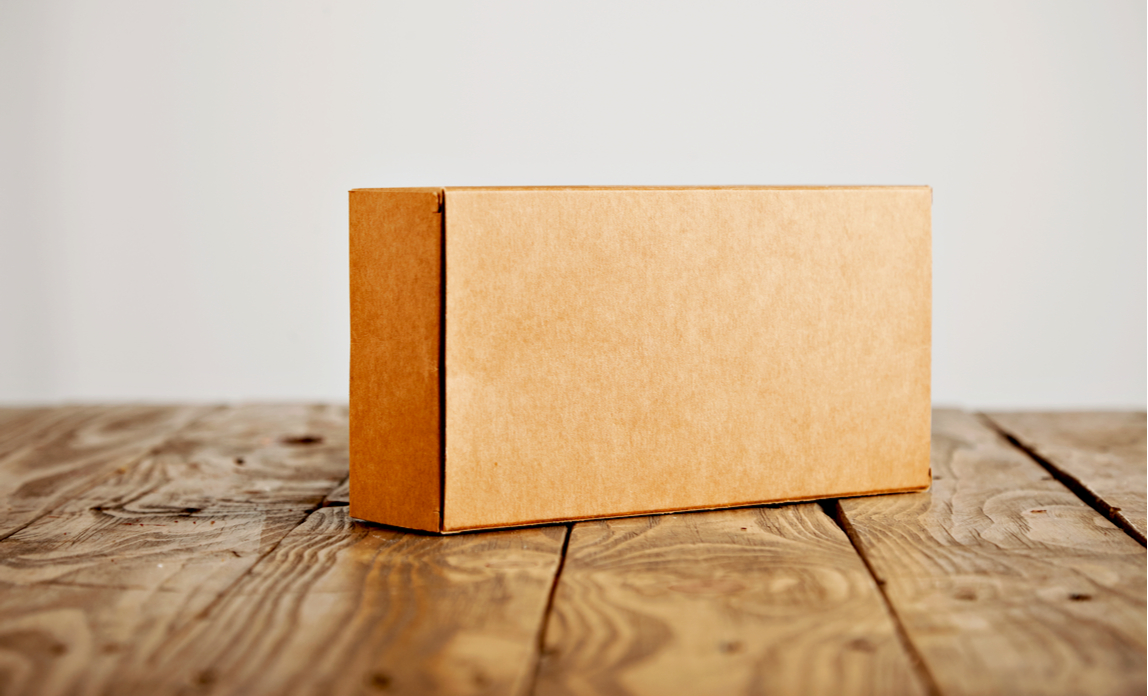
Whether you realize it or not, cardboard is one of the most abundant materials in our nation. Sure, you may think wood, cotton, or plastic are up there in the top materials (and they certainly are), but think about how many packages are shipped every single day in America. What are those packages enclosed in? Cardboard shipping boxes.


What makes this material so abundant, then? Well, for starters, it’s incredibly cheap to produce. And just in case you didn’t know, cardboard comes from recycled paper everywhere. Essentially, all the paper you can think of in the world at some point or another is recycled. And cardboard happens to be the main place that paper goes.


Another reason it’s so widely used is its weight. Shipping rates often depend on the size and weight of a parcel. Well, if the size can be kept to pretty much the item’s dimensions (give or take a few inches extra from the cardboard box) and the weight is just a few ounces more from the cardboard, the rates won’t increase much at all. That’s the idea behind it, at least.

Additionally, cardboard is quite sturdy for being so lightweight and cheap. No, it’s not going to withstand a blunt force blow from a hammer anytime soon, but packages that are bumped around in transit are extremely unlikely to damage the goods within, especially with proper packing paper or bubble wrap.

When you think about it, cardboard is the perfect candidate for shipping boxes around the world. Plastic cannot be broken down and reused as easily (nor is it environmentally friendly by any means like cardboard is). Plastic also would weigh more and costs more to make than cardboard (considering cardboard is merely recycled paper).

Overall, it comes as no surprise that cardboard is the main material used for shipping goods locally, nationally, and internationally. We’re very likely to be seeing those classic brown boxes on people’s doorsteps for the foreseeable future. That is until we advance our technology or come up with a newer, cheaper, lighter, sturdier material, at least.

Think of cardboard as a super material. Even though you see it everyday, to the point that it’s become invisible to you and just another box laying up against the wall, it’s one of the most well-known and widely used materials the world sees daily. Considering it’s simply recycled paper, that’s pretty amazing.

Tuesday, 28 June 2016

Top Product Packaging Mistakes to Avoid


Using the right packaging for your products is very important. If your packaging isn't perfect, it could create a variety of problems that will end up costing your business a lot of money. To let your brand truly shine, you should avoid the following product packaging mistakes:

Not Testing Your Packaging
Many consumers have had the unpleasant surprise of purchasing a product, then realizing that it was damaged. In some cases, the problem would come from the product itself. In others, it was due to the shipping boxes used not providing enough protection to the items within them.

If you've been to several retail stores, there's a high chance that you've sometimes seen packages that were sitting on the shelves that looked crushed or damaged. This may have made you change your mind about buying a certain product.

Indeed, product damage caused by improper packaging is making businesses lose a lot of money every year. In order to avoid it, you should test your product packaging before using it. Run tests to determine its shipping durability and the level of protection that it provides to the products inside.


Using Outdated Packaging
Having attractive packaging contributes a lot to making your products move off the shelves. If your product packaging is outdated, this could have a very negative impact on your company's revenue. Should your competition update its packaging to boost its usability, you should also follow suit.

Do some research to find out what your target market expects from your product and its packaging. Find out what they like in terms of textures, shapes and colors. This will help you create a winning packaging design that will keep your product moving swiftly.

Failing to Take Advantage of Automation
Using manual labor costs businesses a lot of money. Although many want to do their part to help grow the economy and employ people, there are many jobs related to packaging production and manufacturing that can be automated. Anything done with machinery will cost your business a lot less money in the long run.

Take a look at your operations to see if there are any opportunities to introduce automation. Even small businesses without a big budget can take advantage of it, as there are many kinds of technology that are quite affordable. For example, a semi-automatic pallet wrapper can help a business cut down on the costs of its packaging process.


Using the Wrong Specifications of Packaging Products
This is especially important when it comes to packaging film. Its size and specifications will have a direct impact on the overall costs of packaging your products. The price of shrink film varies according to its gauge and width. If you use film that is too thick, you'll not only pay more in materials, but will complicate your packaging process, as it will take a longer time to get the job done. Advances in technology have resulted in the availability of shrink film that is thinner, yet just as durable as the thicker gauges.

Not Doing Preventative Maintenance
Any business that uses packaging machinery should have a regular preventative maintenance strategy for it. By running maintenance operations on a regular basis, you can spot any issues or abnormalities with the machinery and correct them immediately, before they turn into costly breakdowns.